3D printing· 12 min read
7 Best Home 3D Printers in 2026
We compared home 3D printers on print quality, build volume, material support, ease of setup, speed, noise, and total cost.
Our top picks
7 picks · Updated Oct 21, 2026
- 1
 Top pickFrom our shopOur tool
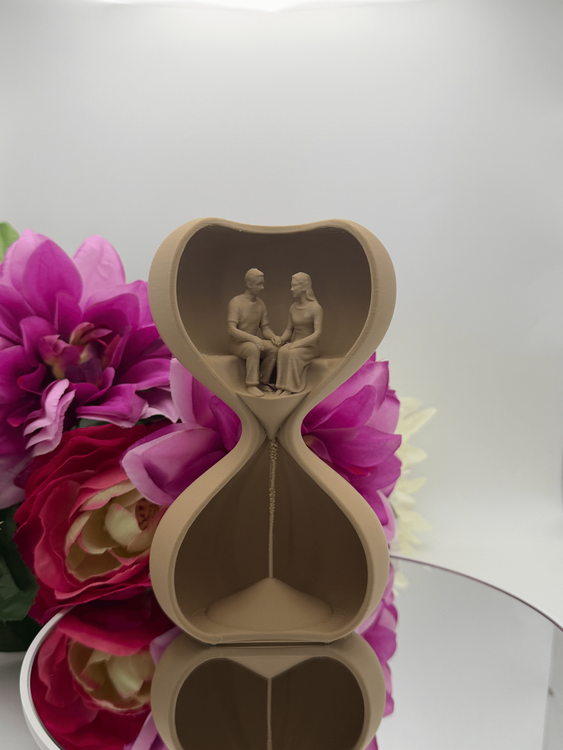
3D Printed Romantic Couple Hourglass Sculpture
$29.90
- Type: Art Print
- Price: $29.90
- PLA 3D printed decor
- 2
 From our shopOur tool
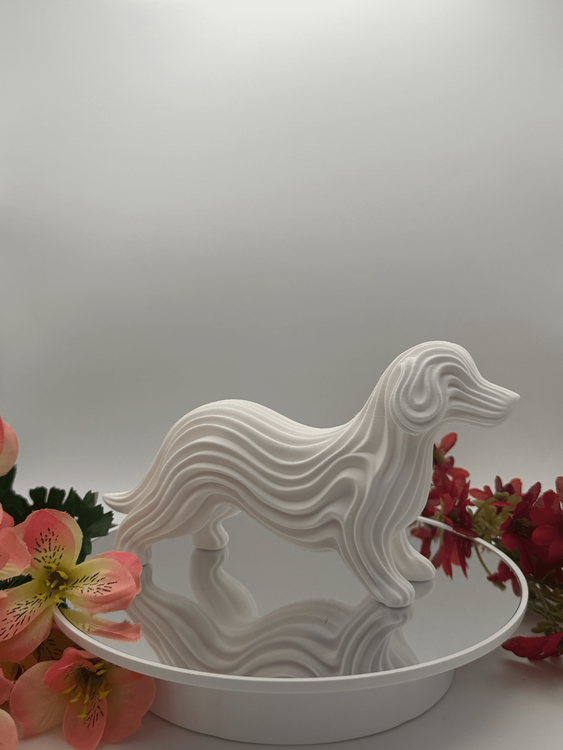
3D Printed Dog Statue - Modern Dog Figurine Decor
$22.90
- Type: Figurine
- Price: $22.90
- Modern home decor
- 3
 From our shopOur tool
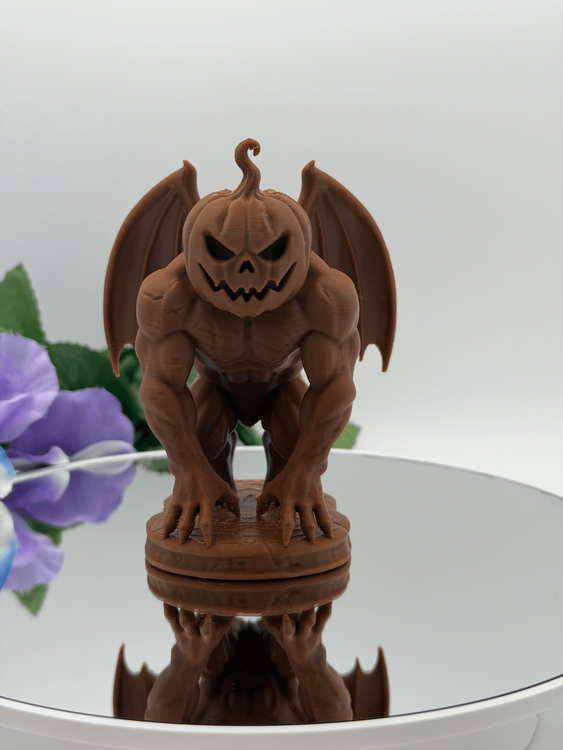
Pumpkin Gargoyle 3D Printed Halloween Statue
$18.90
- Type: Art Print
- Price: $18.90
- PLA gothic decor
- 4
 Best for cat decorOur tool
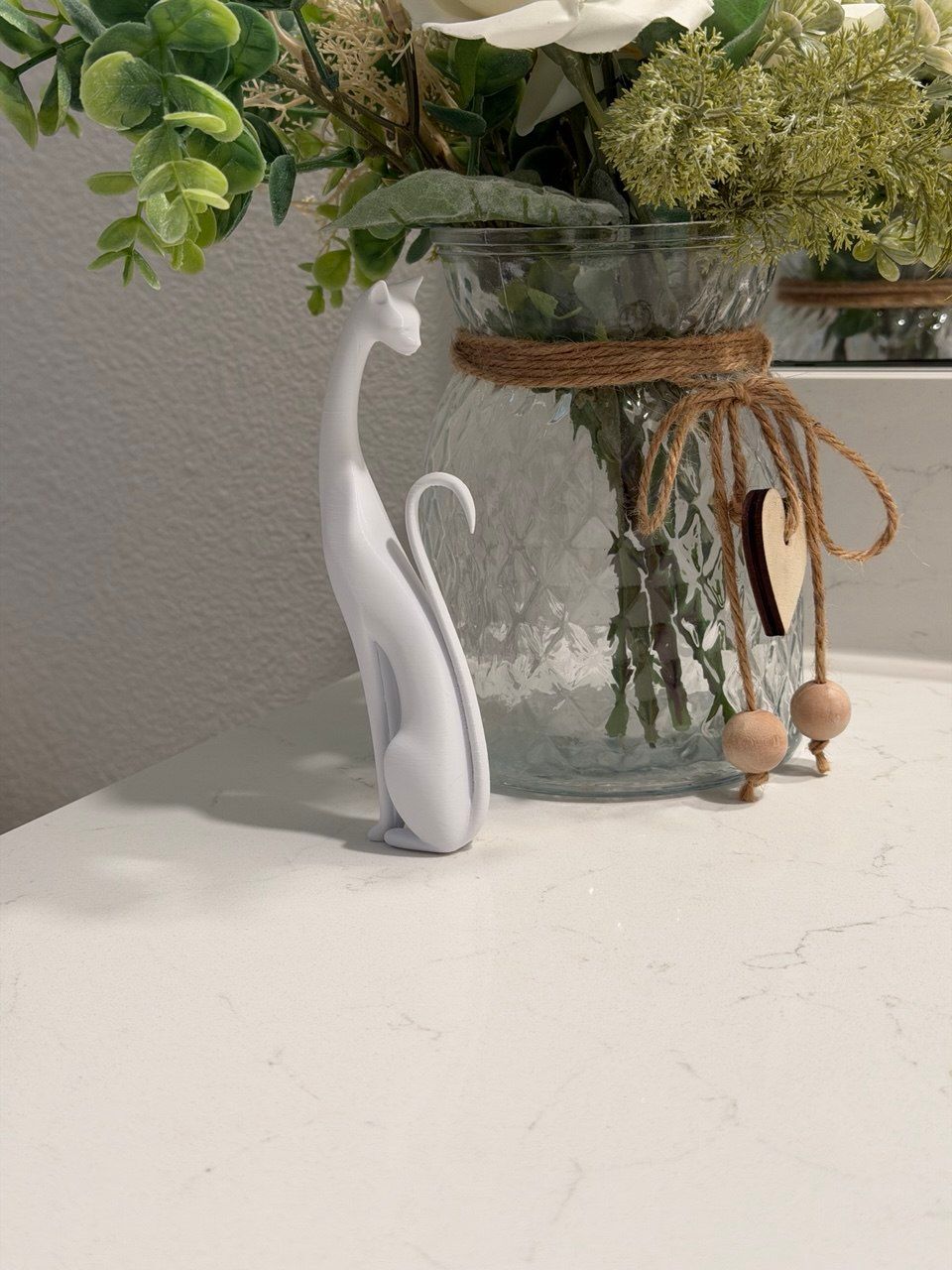
3D Printed Abstract Cat Statue, Minimalist Modern Cat Decor, White PLA Sculpture, Elegant…
$14.90
- 3D printed statue
- Abstract cat design
- White PLA sculpture
- 5
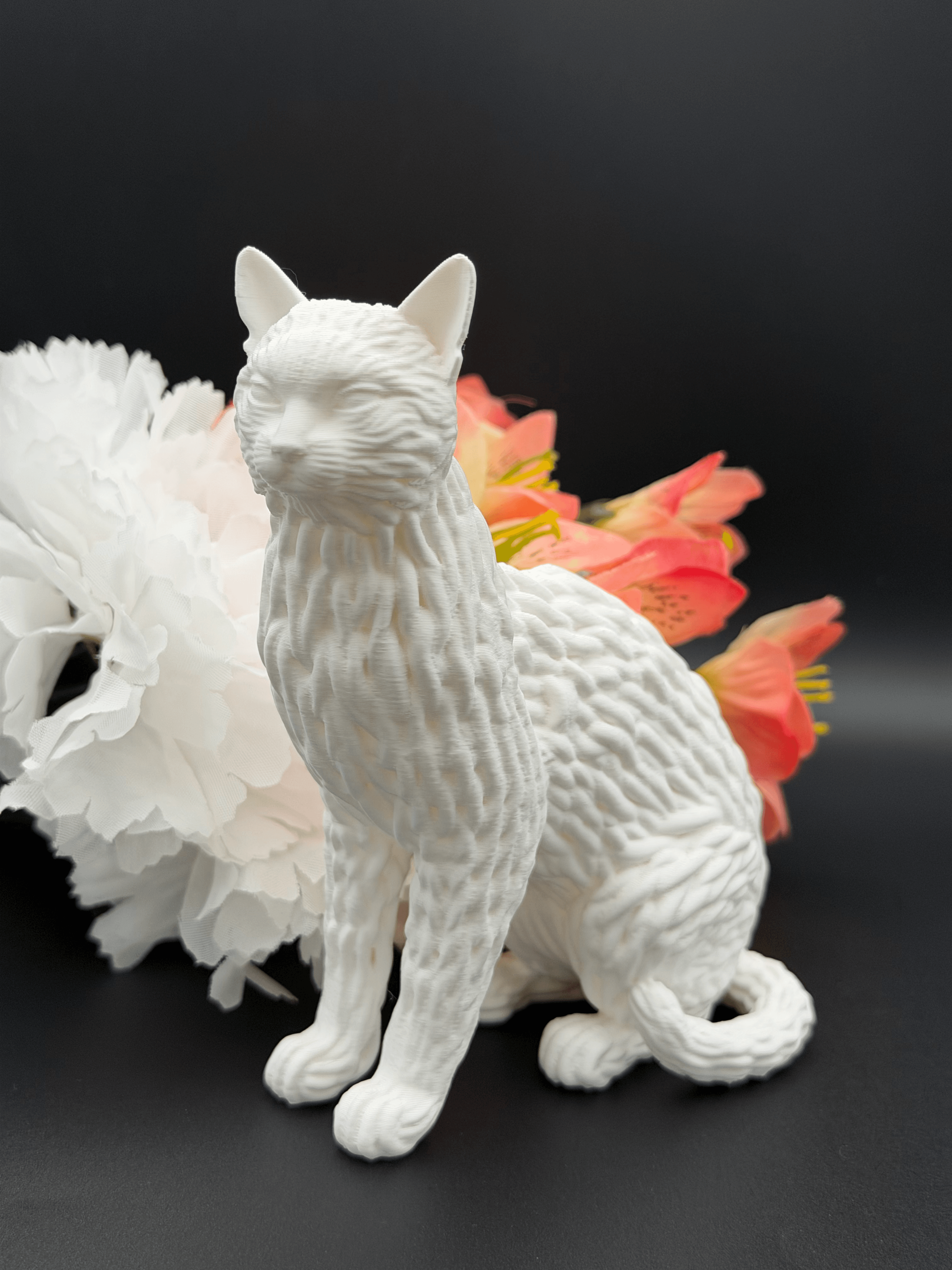 Best for home collectibleOur tool
White Woven Cat Figurine - 3D Printed Sculptural Decor, Modern Home Interior Collectible
$30.00
- White woven cat figurine
- 3D printed decor
- Modern interior collectible
- 6
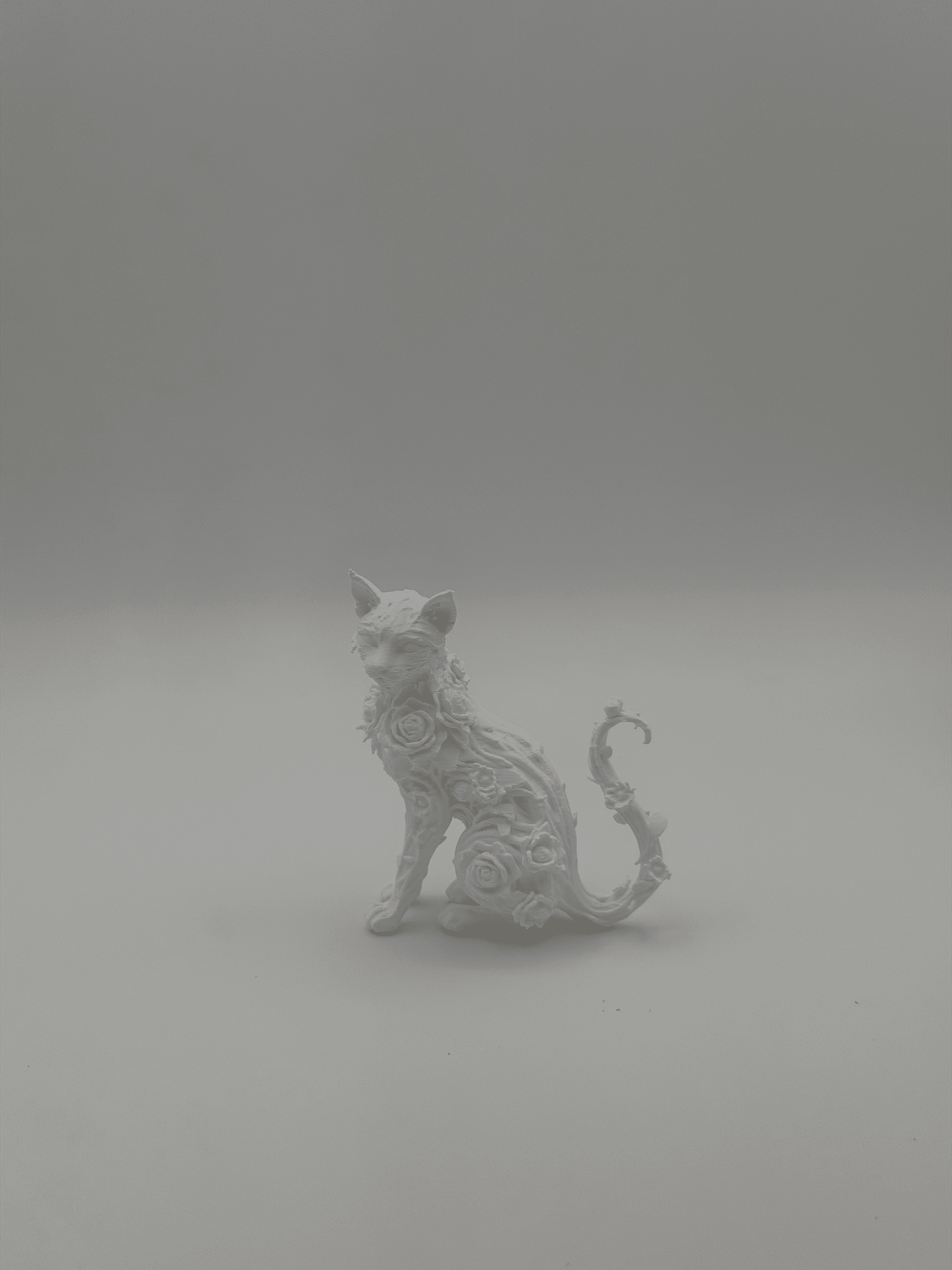 Best for cat home decorOur tool
Floral White Cat Figurine 3D Printed Home Decor
$20.90
- Floral white cat figurine
- 3D printed decor
- Home decor piece
- 7
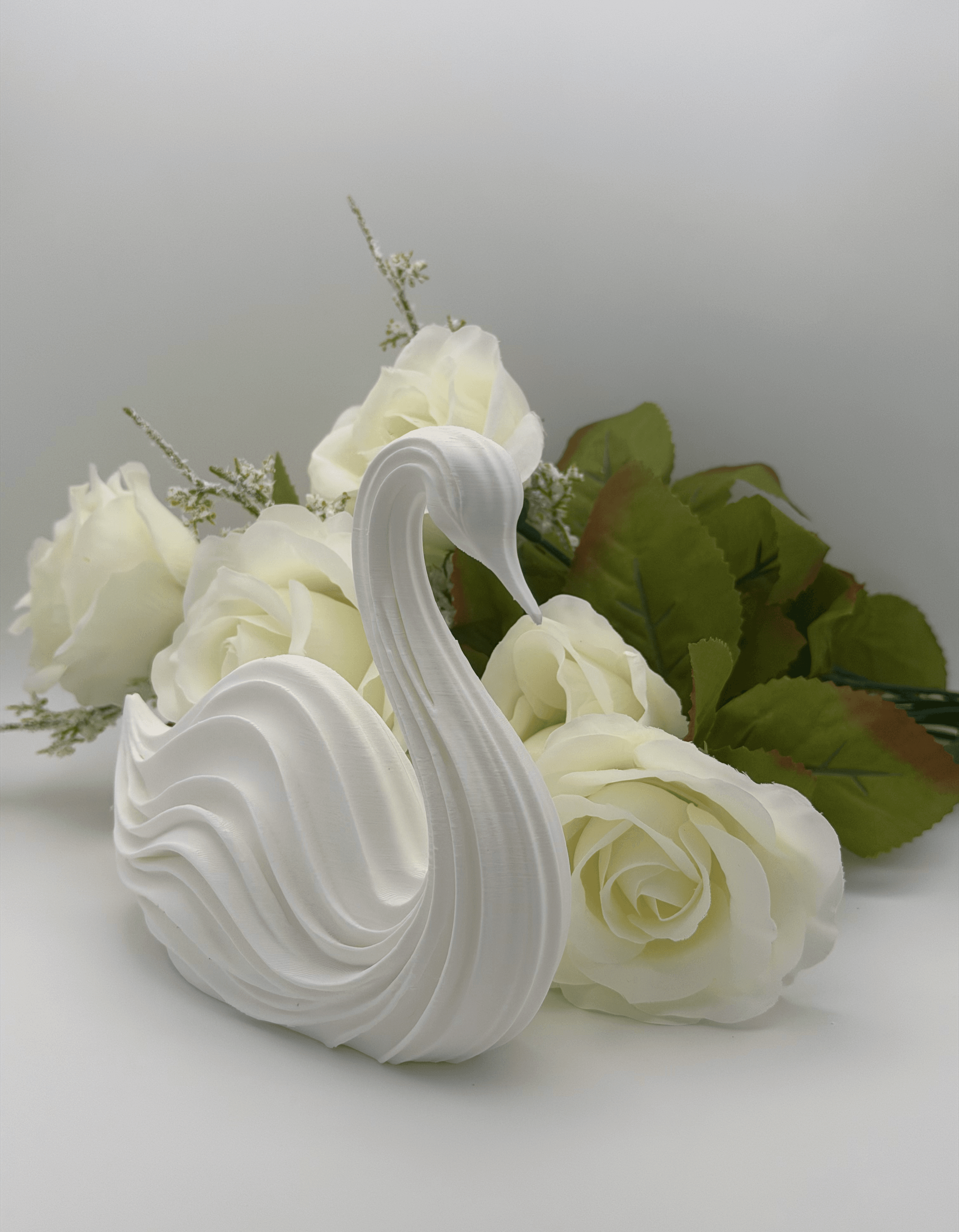 Best for elegant decorOur tool
Abstract Swan Sculpture 3D Print, Modern Swan Statue, Elegant Home Decor
$25.90
- Abstract swan sculpture
- 3D print statue
- Modern home decor
How we picked
We included consumer 3D printers you can currently buy for home use and checked core specs readers can verify: build volume, supported materials, layer resolution, print speed, connectivity, enclosure, and price. We also considered setup steps, noise, safety features, replacement part availability, and slicer compatibility.
Tip: If you want easier everyday printing, choose an enclosed model with auto bed leveling and common filament support like PLA and PETG.
Scores are our editor's score out of 10 based on the criteria above, not user ratings.
3d printer home projects look deceptively simple until your first print turns into a spaghetti pile 47 minutes in. That’s the reality for a lot of first-time buyers: the machine matters, but so do the files you choose, the filament you load, and the settings you start with.
If you’re researching the 7 Best Home 3D Printers in 2026, you probably want two things at once: a printer that won’t fight you, and results that actually look good on a shelf. That matters even more if you want to print decorative pieces similar to the sculptural models already featured on this page, like the 3D Printed Abstract Cat Statue, White Woven Cat Figurine, or Abstract Swan Sculpture 3D Print.
Here’s the practical angle: a modern 3d printer for home use can produce clean decorative PLA prints, replacement clips, desk organizers, and seasonal decor with layer heights as fine as 0.1 to 0.2 mm. But the difference between “works out of the box” and “constant troubleshooting” usually comes down to build volume, auto-leveling, slicer support, and how forgiving the printer is with common home-use materials.
What makes the 7 Best Home 3D Printers in 2026 actually worth considering?
The best machines for home users in 2026 aren’t just fast. They reduce the three biggest failure points beginners run into most often:
- Poor first-layer adhesion
- Bed leveling errors
- Filament feeding jams
A good 3d printer for home should handle those issues with automation or at least with predictable setup steps. In practical terms, that means features like assisted bed leveling, filament runout sensors, power-loss recovery, and slicer profiles that don’t require hours of tweaking.
For most people, the best home 3d printer is not the one with the highest top speed on paper. It’s the one that gives you consistent results across ten prints in a row, especially with standard PLA and PETG, which remain the two most common materials for 3d printer home use.
Which type of 3d printer home setup is best for decor, hobby parts, and everyday use?
For home users, you’ll usually choose between FDM printers and resin printers.
FDM printers: best for most homes
An FDM machine melts filament layer by layer. It’s the default recommendation for a 3d printer for home because it’s easier to run, cheaper to feed, and far less messy than resin.
FDM is the better fit if you want to print:
- Sculptural decor like cat, dog, or swan statues
- Hooks, clips, brackets, and organizers
- Vases, planters, and desk accessories
- Halloween pieces like a Pumpkin Gargoyle 3D Printed Halloween Statue
For the average home use 3d printer buyer, FDM is the safe starting point. PLA prints cleanly at relatively low temperatures, produces less odor than many alternatives, and works well for decorative models with smooth curves and matte finishes.
Resin printers: best for tiny detail, not most beginners
Resin printers excel at miniatures and highly detailed figurines. You’ll get finer detail than FDM, often down to very small surface features under 0.1 mm, but you’ll trade away convenience.
You need gloves, ventilation, washing, and post-curing. That’s why resin rarely wins as the best in home 3d printer for a shared living space, apartment, or family desk setup.
What should you look for in the 7 Best Home 3D Printers in 2026?
If you’re comparing models from the ranked list above, these are the specs that actually affect your daily experience.
1. Auto-leveling or guided leveling
Bed leveling is where many first prints fail. A best 3d printer for home should either level automatically or walk you through a reliable guided process.
If the nozzle starts too high, filament won’t stick. Too low, and the nozzle drags through the line. Either problem can ruin a 6-hour print in the first 90 seconds.
2. A build volume that matches what you want to print
Decorative pieces often look larger online than they print in reality. If you want statement decor similar to the Floral White Cat Figurine 3D Printed Home Decor or a taller swan sculpture, a cramped build area can force you to split the model into multiple parts.
For home users, a practical sweet spot is:
- Compact build area: good for clips, toys, and small figurines
- Medium build area: better for decor, vases, and larger statues
- Large build area: best if you regularly print cosplay parts, helmets, or taller display pieces
3. PLA performance first, PETG support second
The best 3d home printer should print PLA extremely well before you worry about advanced materials. PLA is still the easiest material for home decor because it warps less and gives cleaner results on visible surfaces.
PETG matters if you want stronger utility prints, such as drawer brackets or tool holders. But if a machine struggles with PLA, it’s not a strong candidate for best 3d printer at home status.
4. Slicer compatibility and file support
Most home users will work with:
- STL files for printable models
- 3MF files for richer project data
- G-code generated by slicing software
A good home 3d printer should work with beginner-friendly slicing software that includes tested profiles. That cuts setup time dramatically and reduces trial-and-error on temperature, retraction, and speed.
5. Quiet operation if the printer lives indoors
Noise matters more than many buyers expect. A machine running for 4 to 12 hours in a home office or living room can become irritating fast if the fans and motion system are loud.
For a 3d home printer, quieter stepper drivers and enclosed designs are a real quality-of-life upgrade, especially in apartments.
6. Recovery features that save failed prints
Look for:
- Filament runout sensor
- Power-loss recovery
- Pause-and-resume
- Jam detection, if available
These features won’t eliminate failures, but they can save long prints. That’s especially useful for multi-hour decorative pieces like layered animal statues or abstract sculptures.
What print quality should you expect from the 7 Best Home 3D Printers in 2026?
A realistic expectation for a best 3d printer home setup is excellent quality on PLA at 0.2 mm layer height and display-quality output at 0.12 to 0.16 mm with slower speeds. You’ll still see layer lines up close, but from shelf distance, well-tuned prints can look polished and intentional.
That’s exactly why sculptural pieces print so well on home machines. Organic shapes like the Minimalist Modern Cat Decor and Modern Dog Figurine Decor tend to hide layer transitions better than flat, reflective surfaces.
If your goal is decor, prioritize:
- Stable outer walls
- Good seam handling
- Consistent cooling
- Minimal stringing on curved surfaces
Those four traits matter more than headline speed for visible home display pieces.
Which budget range makes sense for a 3d printer for home use?
You don’t need the most expensive machine to get satisfying results. But the cheapest models often cost you time instead of money.
Entry-level range: best for first-time hobby testing
This tier works if you want to learn the basics and print smaller items. A what is a good 3d printer for home use answer often starts here, but only if the machine includes modern convenience features.
Best for:
- Simple PLA decor
- Small replacement parts
- Kids’ supervised projects
- Learning slicing and calibration
Tradeoffs usually include smaller build volume, fewer recovery features, and more manual tuning.
Mid-range range: the sweet spot for most buyers
This is where the best 3d printer for home category gets strongest. You usually get better motion systems, faster setup, improved reliability, and enough build space for decor pieces without slicing them apart.
Best for:
- Regular hobby printing
- Giftable home decor
- Functional household parts
- Better print consistency across long jobs
For most people shopping the best at home 3d printer category, this is the smartest value range.
Premium range: for speed, size, and convenience
Premium home printers justify their cost if you print often. You’re paying for time savings, larger formats, cleaner interfaces, and more reliable high-speed output.
Best for:
- Frequent printing every week
- Larger decorative sculptures
- Batch printing gifts or shop items
- Users who value convenience over tinkering
What can you make with a 3d printer at home that actually looks good?
A lot more than test cubes.
A 3d printer best home setup shines when you print things that match the strengths of layer-based manufacturing: curves, texture, customized dimensions, and low-volume one-off objects.
Great home-print ideas include:
- Animal sculptures and abstract decor
- Vase-mode planters
- Cable organizers and charging docks
- Wall hooks and drawer dividers
- Cookie cutters and craft tools
- Seasonal decor and tabletop props
The models already listed above are strong examples. The 3D Printed Romantic Couple Hourglass Sculpture uses shape and silhouette to make layer lines less noticeable, while the White PLA Sculpture aesthetic works because matte white filament often hides minor surface artifacts better than glossy colors.
💡 Did you know? Many decorative FDM prints look cleaner in matte white, stone, or light gray PLA because those colors scatter light and make layer lines less obvious than shiny black or metallic filament.
What file formats, slicer settings, and supports matter most for home printing?
If you’re new, this is the part that decides whether your first week is fun or frustrating.
File formats you’ll use most
- STL: the standard format for downloadable models
- 3MF: better for preserving settings and metadata
- OBJ: less common for simple home prints, but still supported by many slicers
For a 3d printer home use workflow, STL and 3MF will cover almost everything.
Starter settings that work for most PLA decor prints
A practical starting profile for decorative home prints is:
- Layer height: 0.16 to 0.2 mm
- Wall count: 2 to 3 walls
- Infill: 10% to 15% for decor
- Print speed: moderate, not maximum
- Supports: only where overhangs clearly need them
If you’re printing statues like a cat figurine or swan sculpture, rotating the model can reduce visible seams and support scars. That one slicer change often improves final appearance more than changing filament brand.
Supports: useful, but often overused
Beginners tend to enable supports everywhere. That wastes material and leaves rough marks on visible surfaces.
For decorative prints, try to:
- Orient the model to reduce steep overhangs
- Use tree-style supports if your slicer offers them
- Keep support contact away from the front display face
What review patterns separate a good 3d printer for home from a frustrating one?
The most telling user feedback patterns are surprisingly consistent.
Strong home printers usually get praised for:
- First-layer success on day one
- Reliable PLA printing without constant clogs
- Clear touchscreen or app setup
- Assembly under 30 to 60 minutes
- Stable results across long prints
Weaker printers get recurring complaints about:
- Bed adhesion issues
- Inconsistent extrusion
- Poor documentation
- Loose belts or wobble
- Replacement parts that are hard to source
If you’re comparing the best home 3d printer candidates, look past the marketing line about speed. Reliability feedback over hundreds of reviews matters more than a single benchmark print.
Pro tip: If review photos show repeated “stringy blob” failures on included sample files, that’s often a slicer-profile problem, not just user error. A well-supported home use 3d printer should ship with profiles that work acceptably on the first few prints.
How to use the 7 Best Home 3D Printers in 2026 without wasting filament
A new machine usually goes wrong in predictable ways, and most are fixable in minutes.
If prints won’t stick to the bed
Check:
- Bed leveling
- Nozzle height
- Bed cleanliness
- First-layer speed
Even skin oil from your fingers can reduce adhesion. Cleaning the build plate properly solves a surprising number of “bad printer” complaints.
If you see stringing between parts
Reduce nozzle temperature slightly or increase retraction based on your slicer’s tested range. PLA decor pieces with open spaces, like abstract sculptures, reveal stringing more than solid models do.
If corners lift or warp
This is less common with PLA, but drafts can still cause trouble. Keep the printer away from open windows, fans, or cold air vents.
If surfaces look rough on one side
That often means support scarring or an orientation issue. Re-angle the model in the slicer so the most visible face prints with fewer supports.
For anyone asking how to use a 3d printer at home, the fastest path is simple: start with PLA, use known-good slicer profiles, print one calibration piece, then move to a decorative model.
Is a 3d printer for home worth it in 2026?
For most hobby-minded buyers, yes-if you expect to print more than novelty toys.
A best 3d printer for home use can replace repeated purchases of organizers, hooks, stands, custom-fit holders, and small decor pieces. It also gives you something a store can’t: exact dimensions and personalized designs.
Where a best home 3d printer does not make sense is if you want perfectly injection-molded surfaces with zero finishing. Home printing still rewards patience, especially for visible decor.
Frequently Asked Questions
how much is a 3d printer for home
A 3d printer for home usually falls into three ranges: entry-level, mid-range, and premium. Most buyers get the best value in the mid-range, where you’re more likely to get auto-leveling, better reliability, and enough build volume for useful decor and household prints.
what is the best 3d printer for home use
The best 3d printer for home use is typically an FDM printer with auto-leveling, reliable PLA performance, and a medium build volume. For most people, the best choice is the machine that gives consistent first layers and clean decorative prints without constant manual adjustment.
what can you make with a 3d printer at home
You can make home decor, organizers, cable clips, wall hooks, figurines, planters, replacement knobs, and seasonal display pieces. A best 3d printer at home setup is especially good for custom objects that need specific dimensions or a style you can’t easily buy off the shelf.
how to use a 3d printer at home
Start with PLA filament, a tested slicer profile, and a simple STL file. Level the bed, load filament, print a small calibration model first, and then move to a decorative object once your first layer and adhesion look correct.
does home depot sell 3d printer filament
Availability varies by location, but some big-box home improvement stores do carry 3d printer filament, usually basic PLA in limited colors. If you need specialty materials, wider color choices, or larger spool options, dedicated online retailers usually offer a much better selection.
Disclosure: picks marked "Our tool" are made by 3DPrintMates. Every pick was judged on the same criteria.